Understanding Uncut Diamonds
Discovering the natural character and distinctive beauty of uncut diamonds.
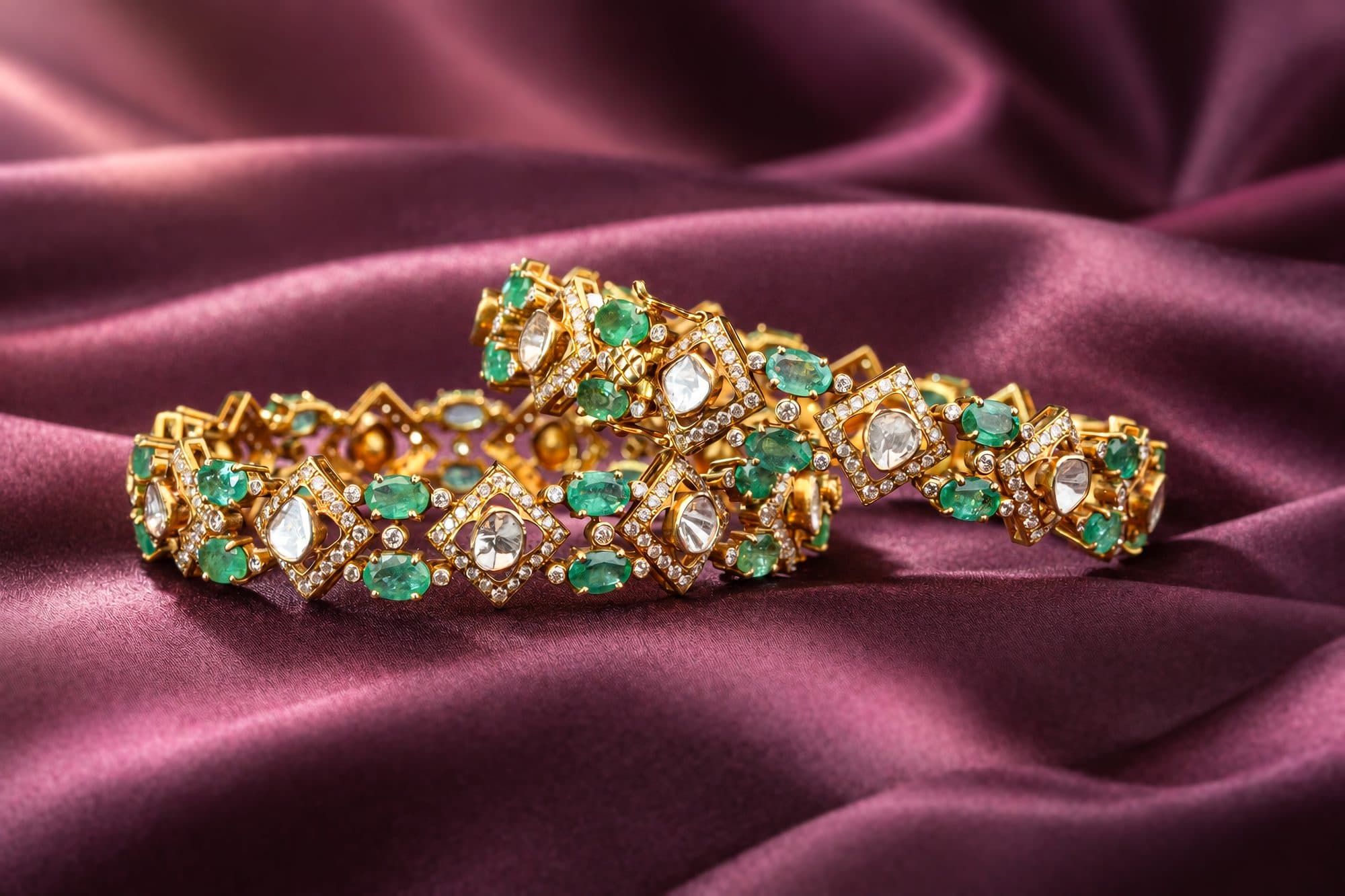
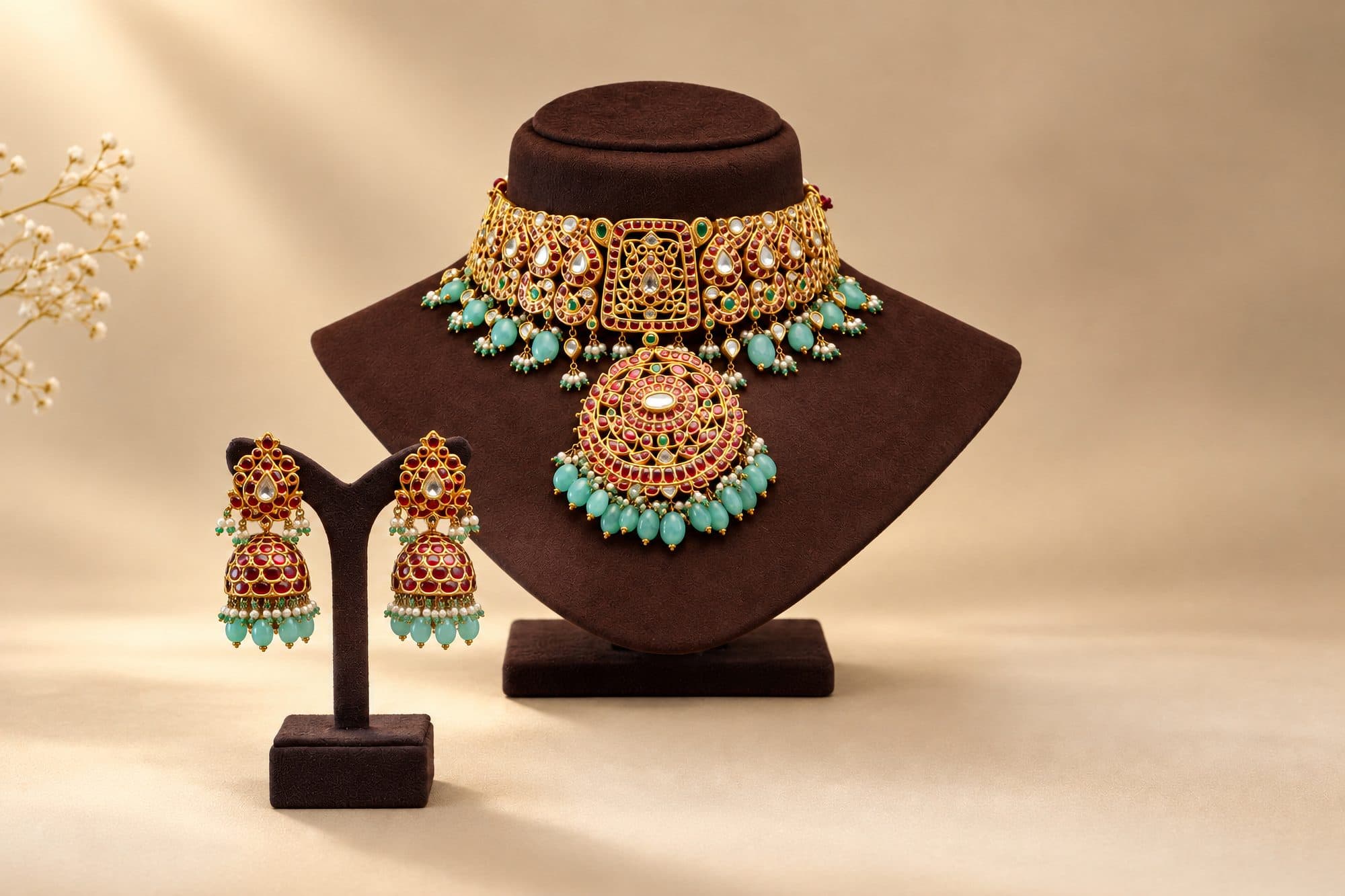
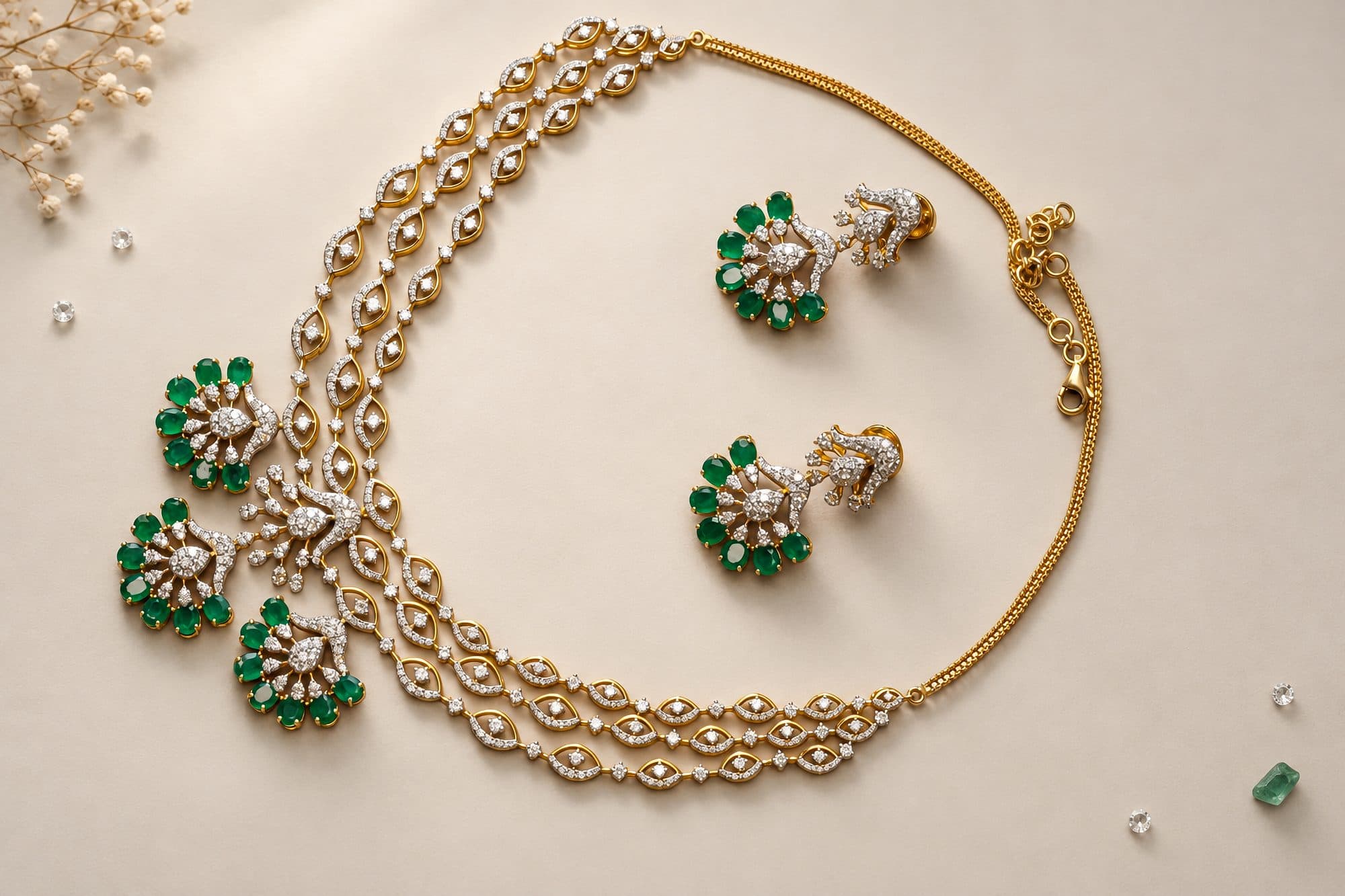
Uncut diamonds are celebrated not for uniformity but for character. Rather than being cut to a standard shape, they keep more of their natural form — which is exactly what gives uncut diamond jewellery its soft, distinctive glow. Two traditions dominate: Polki and Chakri.
Polki: the diamond in its natural form
Polki diamonds are organic in form. Each stone retains its own shape, size and character, and is typically placed in an open setting that shows it off and leaves room for design across different sizes, styles and price points. Traditionally associated with bridal, festive and occasion wear, Polki has historically been popular in Northern India and is increasingly worn in metropolitan cities across the country.
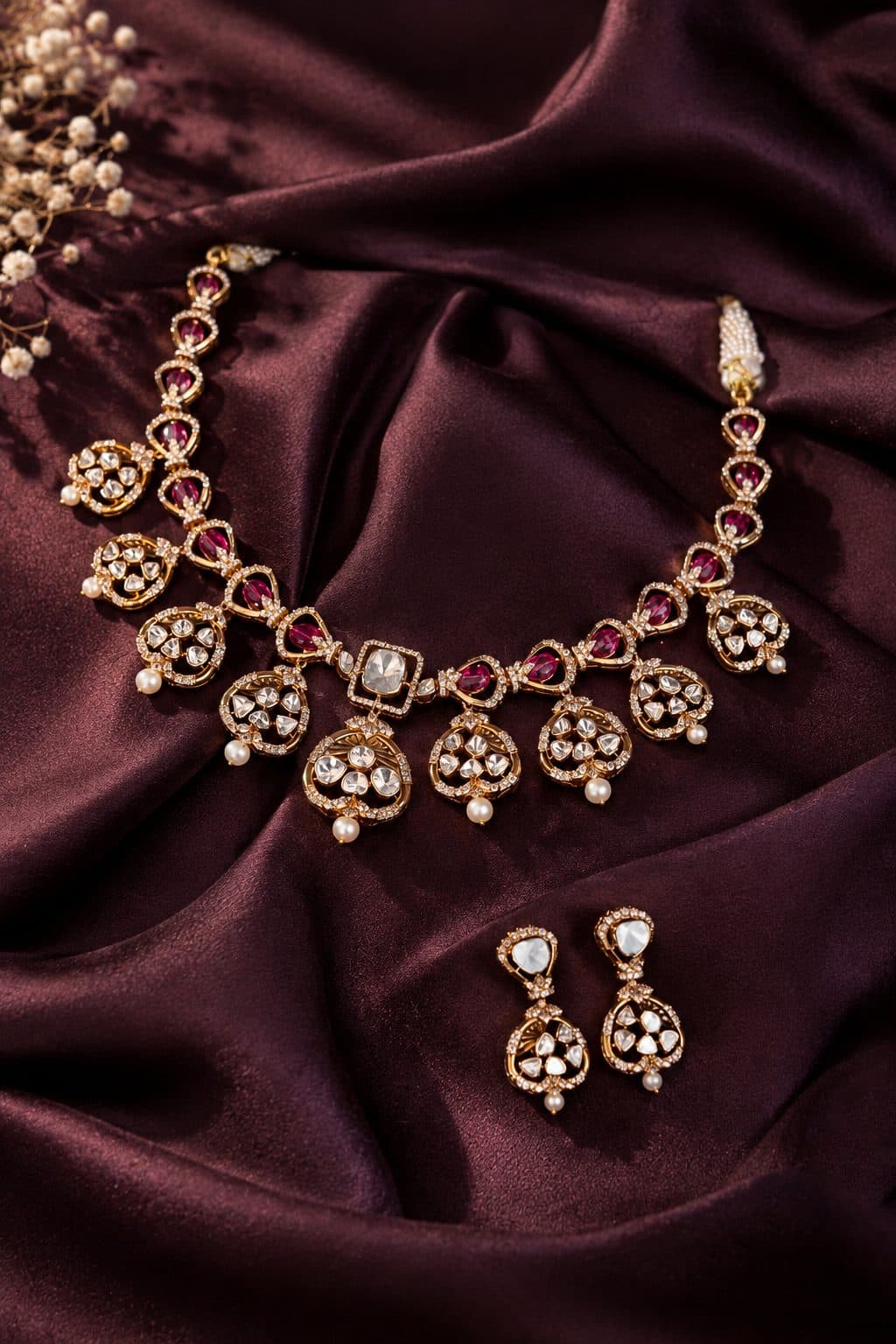
Uncut (Chakri)
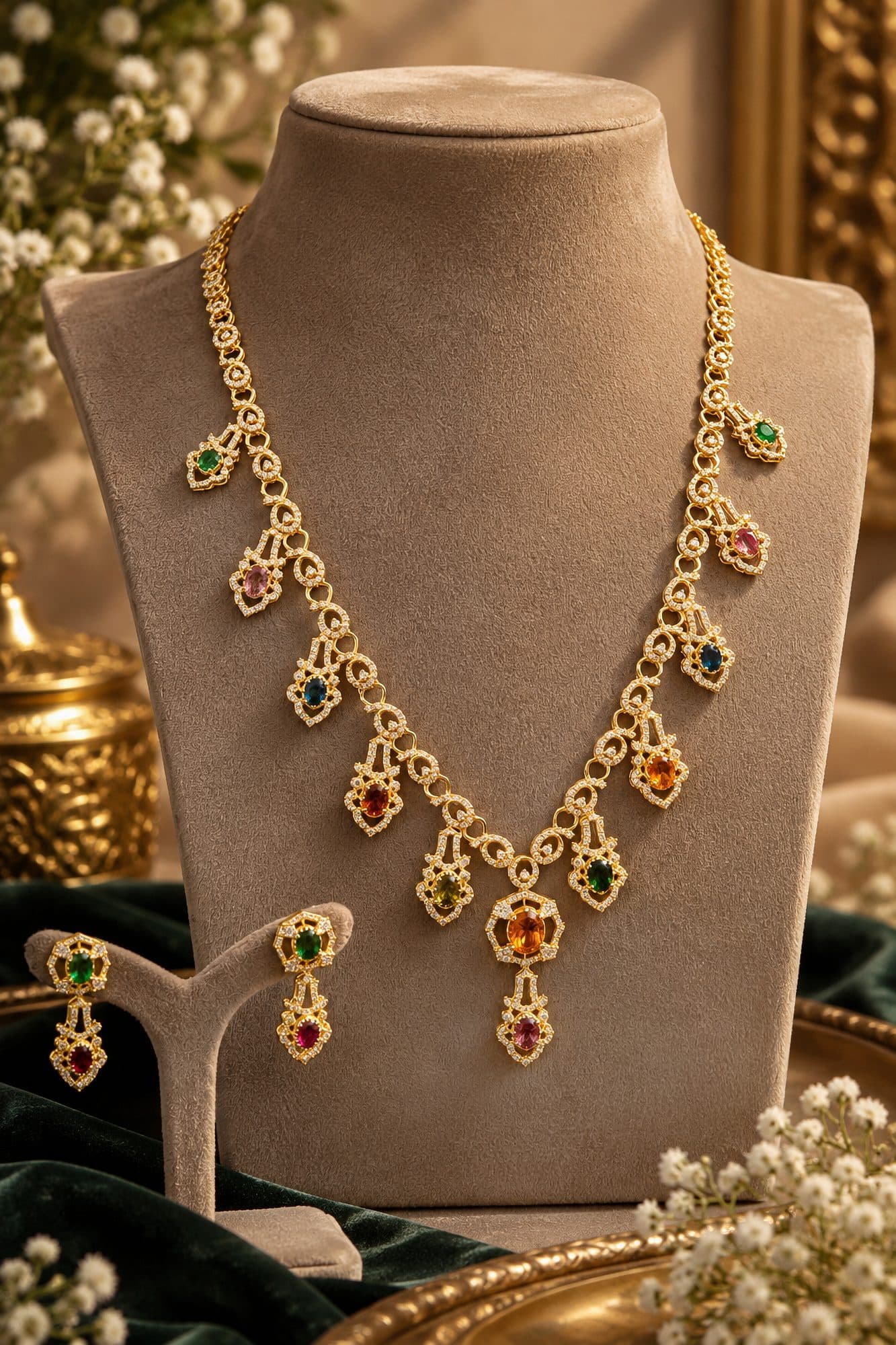
Chakri diamonds have a flat profile without a pointed base, and are cut with multiple facets that catch and reflect light beautifully. Their structure allows specialised settings — plate-prong and pavé among them — so the same stone can be used in both traditional and contemporary designs.
Chakri jewellery is especially loved in Southern India, where demand for wedding, festive and occasion wear is strong, and it has grown considerably in the UAE in recent years. It is also our largest category, made at our Kolhapur facility.
Nature creates the soul; we provide the sanctuary.
How to look at an uncut diamond
Look for the play of light across the facets, the balance of the setting and the finish of the gold around each stone. Small differences between stones are not flaws — they are the point. Uncut diamond jewellery rewards a closer look, and the individuality of each stone is what makes a piece its own.